

Let battle commence!
Welcome to Frasier’s Feuds, where I’ll square off against an author head-to-head about a serious issue that really matters to the writing journey.
You know me as Frasier Armitage — part-time robot, full-time nerd, specific author, and host of the Spotlight Indie YouTube Channel. What you may not know is just how passionate I can get over the most important aspects of the writing process — such as what the best writing snack is, which actor should play the protagonist of your next book, and how many notebooks is too many notebooks (we all know there’s no such thing, right?).
But it’s not just me. Other authors can get just as passionate about these things, and this can be a problem when we don’t see eye to eye. As everyone knows, when opinions differ, the only reasonable thing to do is to put it to a vote and let the Internet decide. Highlander rules apply — in terms of winners, there can only be one. Although, full disclosure, nobody will be losing their head (unless it’s me, because, let’s face it, a stiff breeze is likely to decapitate it from my measly frame, so an enraged author would have no trouble).
Anyway. Enough prattle. Onto the showdown.
Round One: Frasier versus HL Tinsley
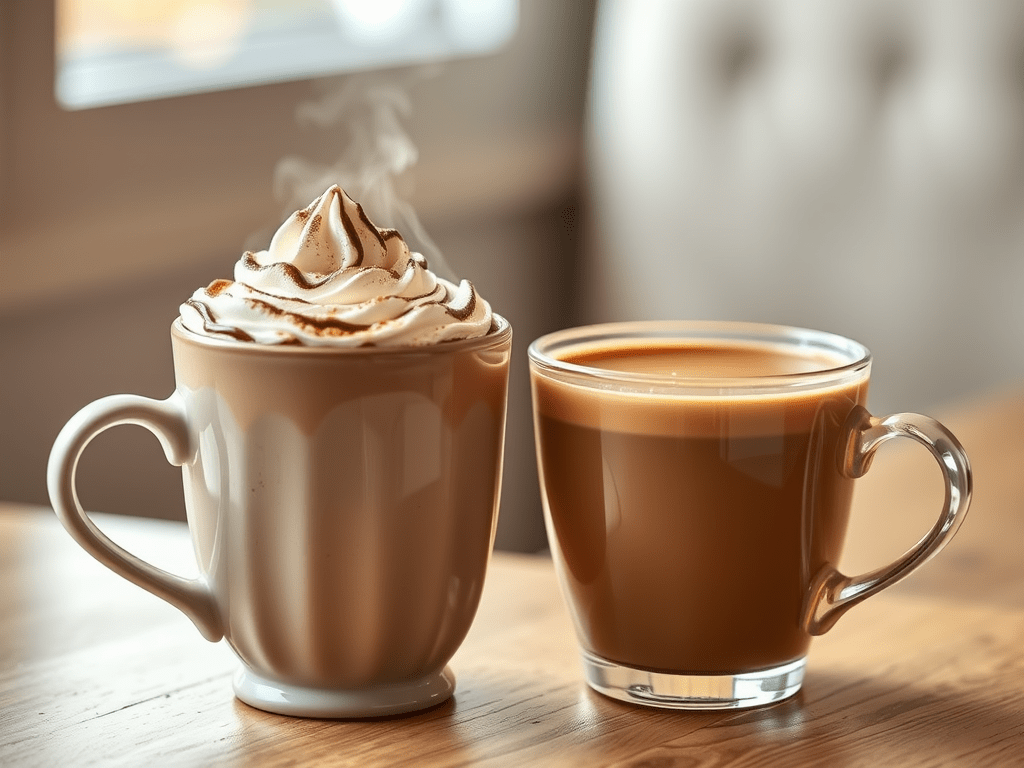
I didn’t realise I held so many strong opinions on the most vital of writing conundrums until the Queen of Spotlight Indie — the one and only Holly Tinsley — suggested that coffee was the superior beverage to enjoy while writing. I, of course, champion the corner of hot chocolate. I’m such a strong advocate for it that I included a recipe for the perfect hot chocolate in a robot story of mine called The Caretaker, which is featured in A Stitch Between Worlds.
But here’s the thing — when we put it to a vote, the people spoke, and it turns out that coffee was the runaway victor. I don’t want to use the word ‘landslide,’ but that’s more out of a sense of pride than a summary of the facts.
While obviously disappointed, I wasn’t exactly surprised to see coffee came out on top. Writers need their caffeine. I’m sure that’s always been the case, and if you went back in time, you’d probably find the most prolific authors owed their successes to the sheer amount of coffee they drank. Hemingway survived war, but would the bells have tolled for anyone if he hadn’t had his café con leche? Perhaps not. In any case, such a definitive result made me question why coffee was so far ahead in the beverage stakes when it came to the preference of writers.
Writing is an activity that brings joy to the soul, which seems the very antithesis of what a cup of coffee is all about. I don’t know about you, but the bitterness of coffee doesn’t scream ‘joy’ to me when it comes to pure taste alone. I remember trying it as a youngster and spitting it out because I’d never experienced such a wallop of disgustingness. It’s the drink equivalent of a slap to the face or a freezing cold shower. Even the most intense coffee-lover will admit to it packing a punch. That’s part of its appeal, isn’t it? So why do so many writers swear by it?
If you know Holly, you’ll already be aware that she writes grimdark fantasy. Her books include We Men of Ash And Shadow and The Hand That Casts The Bone. From the titles alone, it should be pretty obvious that these are books that will break you, and if that’s what you look for in a book, then look no further. Visit her website and buy them immediately.
The thing is, I noticed the vast majority of authors who voted for coffee on social media also specialised in writing dark novels that take grizzly twists and turns. The prose and narratives of these coffee drinkers is generally geared towards the grittier, bleaker, and more brutal side of the storytelling spectrum. After all, who wants to write a torture scene while you’re chewing down marshmallows and scooping up the whipped cream of a luxury hot chocolate? An excess of sugar isn’t exactly conducive to the headspace required by writers of grimdark. And while it isn’t necessarily a hard and fast rule that grimdark authors will drink coffee while they write, the trend is an interesting one to note.
If you consider other authors who were renowned coffee addicts, you’ll find plenty of them who wrote deeper and darker works. Honore De Balzac reportedly drank 50 cups per day. Voltaire consumed 40. Marcel Proust was another famed coffee lover. None of the books these writers produced are considered “light” or “happy” reads. Hemingway, as I mentioned earlier, was spotted with a coffee in hand on more than one occasion.
Now compare that with a famous author who enjoyed hot chocolate every day — Jane Austen. Can you spot the difference in the style and substance of Jane Austen when compared to someone like Hemingway?
All this leads me to wonder whether my stories end would up darker if I were a coffee drinker? Would I kill more side-characters? Would I imagine more violent encounters? Would my characters lean further towards an interest in the macabre or come over as more ponderously serious?
One way of testing this might be to try a writing exercise. Imagine taking a hard-as-nails hunter-assassin who specialises in dealing the goriest of kills — the kind of character who feels like a cup of boiling hot coffee brought to life — and writing a scene of their latest slaughter while sipping a nice hot chocolate. Would the frothy sweetness get in the way of my imagination? Would it tint the lens of how I see them in the scene? Why not try this exercise for yourself and let me know how it goes. I’d be fascinated to learn the result.
Am I proposing that the only way to write a grimdark book is to drink coffee? No. Some notable authors who’ve allegedly abstained from coffee include Stephen King and Roald Dahl. So I can’t claim that the drink is wholly responsible for the grimdark genre. But isn’t it worth paying attention to the impact that a shot of adrenaline could have on the nature of our storytelling? Is it so unreasonable to conclude that coffee’s contribution to a writer’s imagination has been potentially overlooked?
A story’s tone isn’t the only factor to consider when it comes to why a writer might love coffee. It’s also beneficial to weigh up the motivations, approach, and experience of writing itself.
Productivity is often the motivator of a coffee drinker. All of the people I know who wax lyrical about it enjoy the sensation of acceleration it gives them. They drink it so they can get into the zone and fire on all cylinders. There’s a speed that I associate with the act of drinking coffee. That’s maybe why, when I picture a person drinking it, I typically see a busy person who’s trying to accomplish something, and they’re usually in the middle of juggling about ten different things at once. Perhaps this is what the experience of writing feels like for some people? It would certainly explain why some would favour a drink that helps them to knuckle down and reach a goal. Something that boosts them. On the other hand, hot chocolate is the kind of drink that slows you down after a long day at work. It’s probably not the kind of thing you’d go for if you needed pepping up or wanted to inspire a quick burst of productivity.
For me, writing is a treat. The gift of storytelling is a celebration — a thing to be revelled in — and what better drink to reflect that than hot chocolate? I see storytelling as an art that takes place around a fire on a cold winter’s night, and the flames lick your toes as you gather together to hear a tale while the snow falls outside, and the coco warms your bones. It’s indulgent. It’s an extravagance that I consider myself very lucky to enjoy performing.
Perhaps I’ll reach a point where writing feels more like work, and who knows — I might even make the switch to a different drink. But for now, I’m happy to take comfort in my perfect cup of hot chocolate while I concede defeat to Holly.
As Pablo Neruda once said — “Coffee is a drink that helps you wake up, think, and create.” If it stirs creativity, I can only see that as a positive thing. But when it comes to the art of storytelling, it’s worth being aware of the reason you sit down to write in the first place, and how that’s reflected in every element of your process. Isn’t it good to consider the link between what you drink and how you think, and to what degree that shot of caffeine can influence your stories. And isn’t there definite value in knowing how many sugars you might need to add to your cup in order to write a happy ending.
Frasier – 0 : Everyone Else – 1
 Spotlight Indie
Leave a comment