
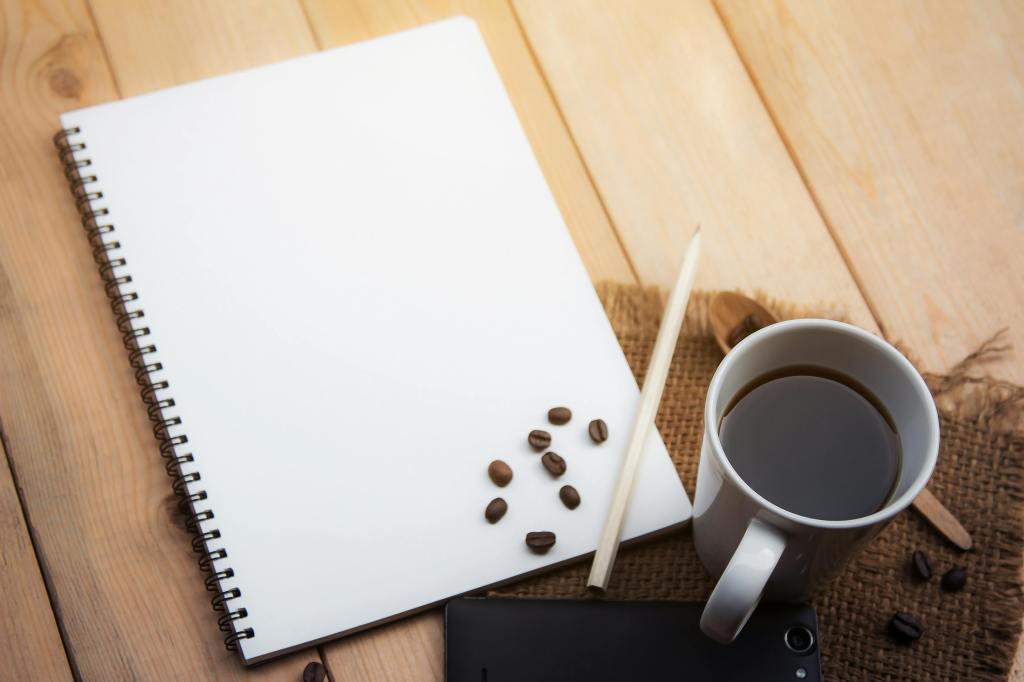
I’m sat here, gawping at a vacant page, hoping my brain will fill the void which may someday become my finished novel. The trick now is to just start writing. Perhaps an inspiring notion or a handful of witty prose will knock my head into gear. Afterall, don’t they say that every journey begins with a single step?
Truth be told, I’m fibbing my socks off right now. I’m twisting the truth to give this journal a cliched beginning. Sure, there’s an empty document in front of me, yet it’s perched within a folder teeming with all sorts of notes, nonsense, drafts, guidelines and even a screenplay associated with this particular story. I’ve contributed thousands of words to this project already. They might not be polished or sensical, but they exist.
The project in question first saw the light of day five years prior. It first took shape in a different format to the one I’m contemplating for it right now. The idea was born slap bang in the midst of the Covid-19 pandemic. Between the silence, confusion and fear that circled us during that difficult start to the decade, my imagination ran wild with all sorts of peculiar concepts.
Amongst my curious notions lingered a fable about a servant droid who befriended a member of the household they were built to serve. Together, the robot and the youngster would strike up a friendship, reading stories to one another, spying on their neighbours, and taking a curiosity in the strange goings on concerning the world around them. As the tale progressed, their innocence would come into conflict with a terrifying truth; the world surrounding them was less rosy than they’d been led to believe. The land they’d been born/manufactured into was run by an authoritative regime. Eventually, the droid and the youngster would be forced to flee the home they belonged to, striving to find salvation in the crumbling towns that surrounded their former empire.
At the time, this project was intended as a six-part television series called Synthetic Empires. Screenwriting has always been my go-to format when it comes to writing. A decade prior, I’d graduated with a Master’s degree in writing for film and radio. I had high hopes of becoming a television writer. It was an ambition which had burrowed its roots into me long before I had plans to pursue the craft through higher education. I’d spent a hefty portion of my teenage years writing daft sitcoms and melodramatic dramas. When the time came for me to decide what career I wanted to aim for, I figured why not utilise the hobby that brought me much joy. I moved away to study film. When I graduated, I returned to focus my energies on a post-grad in screenwriting. My plan was clear; get a decent grade, then try get my foot in the door at a prestigious television studio.
A decade passed, however, and my dreams of becoming the next Doctor Who showrunner or striking up a deal for a Netflix limited series never came to pass. The dream became just that for me; a dream. Then the pandemic struck and life as we knew it came screeching to a halt. The silence made it easier for me to reflect. Who had I become amidst the noise of adulthood? Was there a part of me I’d been neglecting? The urge to reexplore semi-forgotten dreams started to resurface. So slapbang in the middle of the chaos of 2020, I started writing again.
I figured Synthetic Empires might be my time to shine; an opportunity to resurrect the goals of my younger self. I’d pen six screenplays and shop them around. Who knows what may come from such an idea. Perhaps Netflix would be calling me up, after all.
The droid at the heart of the series would be called Quinn. The youngster of the household would be a 17-year-old teen named Michelle. Our heroes would begin their story in a wealthy home. The father is a talented programmer who worked for the government. The mother is a journalist by day, a freedom fighter by night. Whereas the dad was a product of the regime, the mother would belong to the rebellion; a perfect recipe for family drama. The daughter and the droid were innocent minds, born into a vicious system they knew very little about. Over the course of this six-hour story, we’d learn more about this world, how it grew into something so vicious, and the callous reality behind the glossy skyscrapers and utopian villages that dominated our protagonists’ home.
I penned the pilot in about a week. I was quite chuffed with it at the time. It had mystery, worldbuilding, and even a spot of humour. I wrote a treatment for the second episode, which was more action-packed and a touch less nuanced than the opening entry. It felt as though my story was starting to take flight. Quinn and Michelle had begun their journey to escape the jaws of an authoritarian government intent on devouring its subjects.
Except I never got any further than that second episode’s treatment. I took a month off from writing Synthetic Empires, hoping the break would do the project some good. Perhaps a handful of weeks away would allow my perspective to refocus. When I’m penning early drafts, I have a tendency to get caught up in the excitement of it all. I convince myself I’ve created something truly unique and electrifying. In my head, the worlds and characters appear flawless. The intoxication of that post-writer high forces me to forget about all the redrafts and fine tuning that await me on the road ahead. I concluded that a bit of time to let the joy settle would help me approach future episodes with a more pragmatic mindset.
I took a look at the show one month on, only to find myself overwhelmed by the whole affair. What exactly was the point in the sinister government operating in the backdrop of this world? What brought them to power? How did their presence on the global stage impact the wider geopolitical landscape? What message was I trying to deliver by having them dominate so much of this story?
Before long, it dawned on me that perhaps I’d started writing a little too soon. I had a concept without a solid endpoint. Sure, I had an idea of the society our heroes were born into, but the detail just wasn’t there. How could I navigate these leads through a landscape that I hadn’t properly defined? Where exactly were Quinn and Michelle going? What was their purpose in this story? How exactly would our heroes and the antagonists collide with one another?
This is not me suggesting I was working on a stinker. Never did it feel as though it was doomed to be discarded in the dustbin along with the tacky sitcoms and boisterous dramas that dominated my teenage years. I just needed to apply more time and thought to it. The story excited me, yet I felt there was something missing from it. It needed a secret ingredient that would set it apart from all the other dystopian science fiction I’d been exposed to over the years.
The thought of sitting down and fleshing out a wider world for this story to shine within scared me. How much detail would I need? Would too much cause me to lose sight of the tale I was trying to tell? Would I grow bored and declare the entire endeavour a spectacular waste of my time?
I’d like to say that I had a word with myself and pursued in spite of my doubt. Instead, I abandoned the story, telling myself I’d come back to it when the excitement took hold again. Years passed, and I distracted myself with other matters. The days of drafting out the Synthetic Empires pilot became a fond memory of a daft little script I’d produced during a difficult period. Quinn and Michelle became ghosts in my own mind; memories of a show that never was.
Who knew such spectres would someday come back to haunt me.
To be continued…

 Spotlight Indie
Leave a comment