
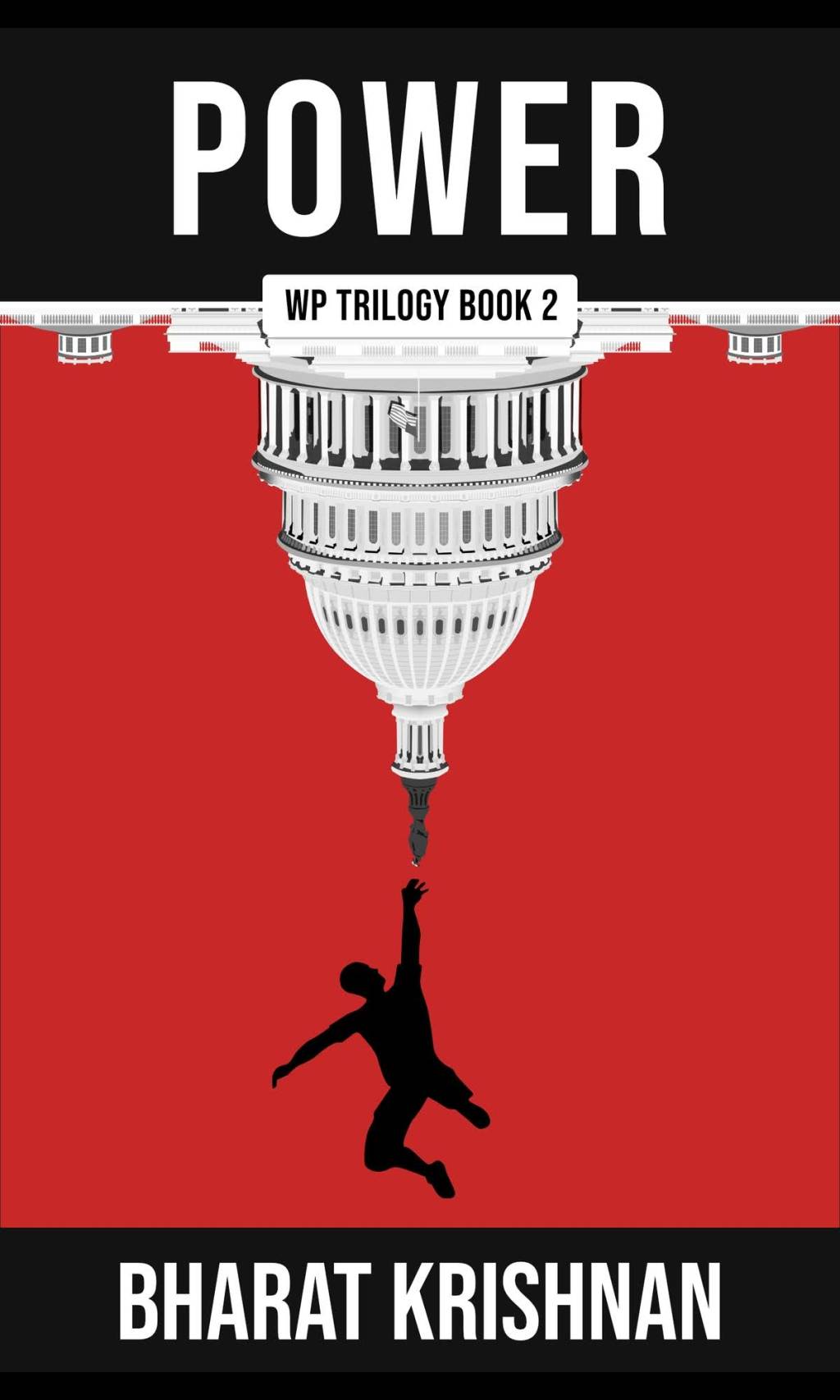
Power by Bharat Krishnan

Power is the second book in Bharat Krishnan’s unapologetically political WP Trilogy, following on from the wonderful Privilege, which I read and enjoyed so much back in 2023. Please note before reading on that this review contains some spoilers for Privilege.
These books involve a modern-day setting where history has been altered after the discovery of the strange drug WP during the 1800s Gold Rush. Users of WP can gain a number of powers, including increased strength, agility and heightened senses. It’s even possible to alter someone else’s memories and their perception of reality. Consequently, WP is a powerful drug and is only legally available to Caucasians.
It’s not easy to classify the WP Trilogy. I think the primary themes make this an alternate history political satire. Events in Washington are interweaved with those of a criminal underworld thriller involving the illegal shipment of WP. Alongside this, there’s a slice of life romantic sub-plot, which was actually my favourite part of this story. In addition, as a result of the powers granted by WP, there are also similarities here to superhero comic books, especially during the action scenes. I have to say that Krishnan does really well bringing all these disparate elements together into something which still feels rounded and cohesive as a whole.
In late 2021 a US Government cross-party committee is debating the legalisation of WP for non-Caucasians, chaired by Native American Senator Joseph Begaye who is planning to run for president. Therese is seeking justice against the cyber-criminal mastermind Spartacus after the death of her son Jerome at the hands of the police. Meanwhile, Spartacus tries to cover his tracks and protect his illegal WP operation, which will be ruined if WP is legalised. He’s ruthless and will stop at nothing to see his plans through.
The central character from Privilege, Rakshan, plays a smaller role in this story. We see him enjoying the benefits of the WP he stole, although his friends aren’t impressed at the change in him. Rakshan isn’t so bothered since his main focus is winning back his former girlfriend Sadiya. He doesn’t appear to be capable of accepting that his quest is doomed, since Sadiya has returned to Bangalore with her lover, Maadhini, where she’s working up the courage to tell her conservative parents that she’s gay.
Overall, I thought the dialogue in Power was sharper and crisper than in the first instalment, and this novel is full of wry humour and witty observations. Krishnan continues to tackle issues around racism, privilege and whether the political system can ever adequately represent every citizen in the US. Through Sadiya and Maadhini’s separate storyline in India the issues of expatriate Indian identity are further explored. The scenes in India provide humour and warmth and made me smile a number of times with lines like these:
“Driving in India was a contact sport, and the only reason people didn’t die more often was because one usually couldn’t go faster than ten miles per hour.”
Krishnan writes the romance between Sadiya and Maadhini really well, perfectly capturing how hard it can be to go against the expectations of your parents. Alternating these scenes with the grittier events taking place in the US provides a good balance in the novel.
My only criticism is the ending of Power very much feels like it happens in the middle of the story, although some plotlines are resolved during the course of the book. That means if you want a sense of closure you need to move on to book three, Promise. Fortunately, Krishnan was kind enough to make sure he released all three titles of his series in 2020, so at least he didn’t keep his readers waiting. With events left finely poised in the concluding chapters of Power, I’m looking forward to finding out how it all ends in the final instalment.
Review by Tim Hardie



 Spotlight Indie
Leave a comment